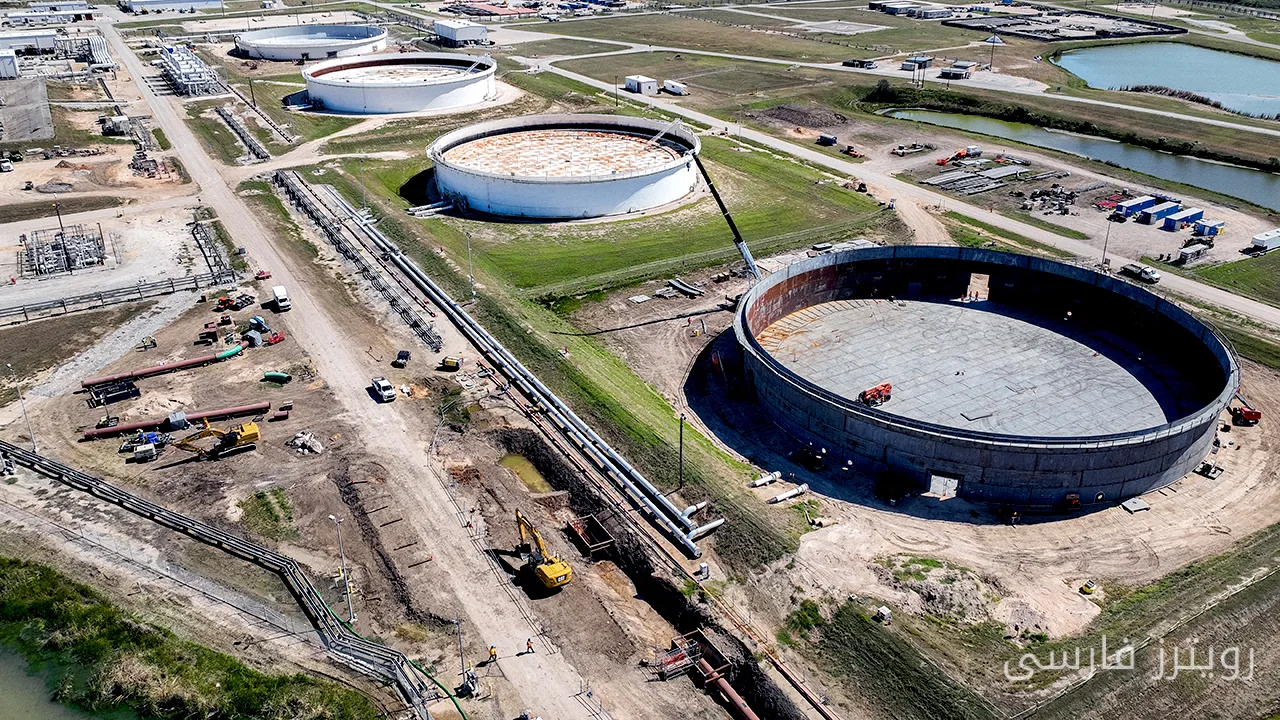
The strategic oil reserves of the United States have reached their lowest level since ۱۹۸۳. According to information from the Department of Energy, the number of barrels of oil in these reserves decreased by ۶.۱ million barrels last week, reaching ۲۹۸.۷ million barrels, the lowest recorded since January ۱۹۸۳.
Challenges from the Iran War
This sharp decline in reserves, which began before the outbreak of the Iran war, is now under increased pressure. In March ۲۰۲۶, the previous administration issued a permit to release ۱۷۲ million barrels of oil to counter the impacts of the Iran war on energy supply. Iran's attacks on the Strait of Hormuz have reduced the flow of tanker traffic and complicated the situation for global markets.
U.S. strategic oil reserves, which were about ۶۰۰ million barrels in early ۲۰۲۲, have rapidly decreased to ۳۷۵ million barrels by early August ۲۰۲۳. This downward trend clearly indicates serious challenges in energy supply and its effects on prices in the market.
Concerns About the Future of Reserves
Strategic oil reserves are designed as a defensive line against energy crises. These reserves are stored in four underground locations, at depths of thousands of feet, in salt caverns, which offer more advantages in terms of cost and maintenance compared to surface facilities. However, a report from the Government Accountability Office in May warned that there is a need for a long-term plan for the management and maintenance of these reserves.
Additionally, following the passage of the "Big Beautiful Bill" in July ۲۰۲۵, $۱۷۱ million was allocated for the purchase of oil products and $۲۱۸ million for the maintenance of these reserves. However, given the current downward trend, serious questions have arisen about the future of strategic oil reserves.