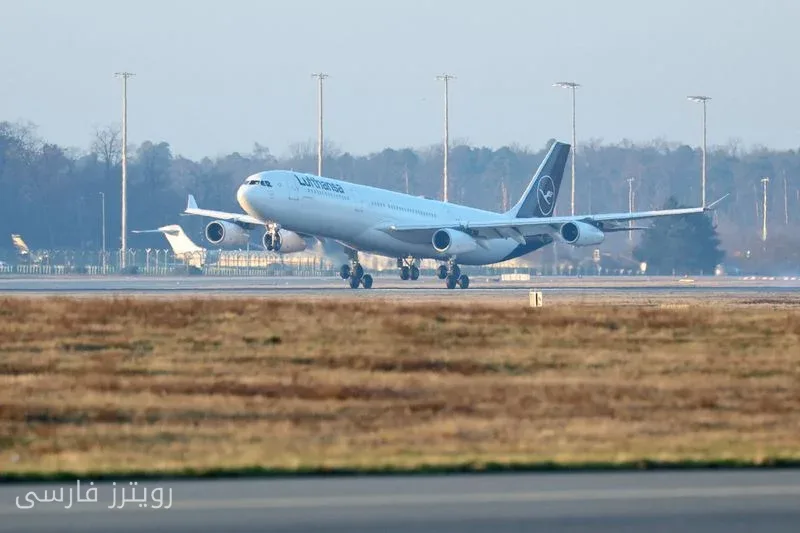
In the wake of recent tensions in the Middle East, airlines have gradually resumed their services to the region. This action not only reflects the determination of these companies to return to normalcy but also raises questions about the future stability of the area.
Revising Flight Schedules
Major airlines are now reassessing their flight schedules and gradually opening new routes to serve passengers. This approach is particularly important in light of the decreasing concerns about flight safety. However, the shadow of tensions still looms over these decisions.
Challenges Ahead
Returning to normalcy in the airline industry requires addressing numerous challenges. On one hand, companies must pay special attention to flight safety, and on the other hand, there is a need to regain passenger trust for a return to air travel. Many travelers still hesitate to travel to this region, which could impact the demand for air services.
Additionally, airlines must grapple with rising costs and fuel price volatility. In a situation where the global economy is affected by multiple crises, this industry faces serious challenges. Many analysts believe that returning to normal may take time and that more government support is needed in this regard.
Uncertain Future
Although airlines are gradually returning to the Middle East, the future of this region still appears uncertain. Political and military tensions continue to exist, which could affect the recovery of air services. Does this return signify the end of the crisis or is it merely a temporary pause amidst the conflicts?
Overall, the gradual return of flights to the Middle East occurs while many questions remain unanswered, and only time can provide the necessary answers.