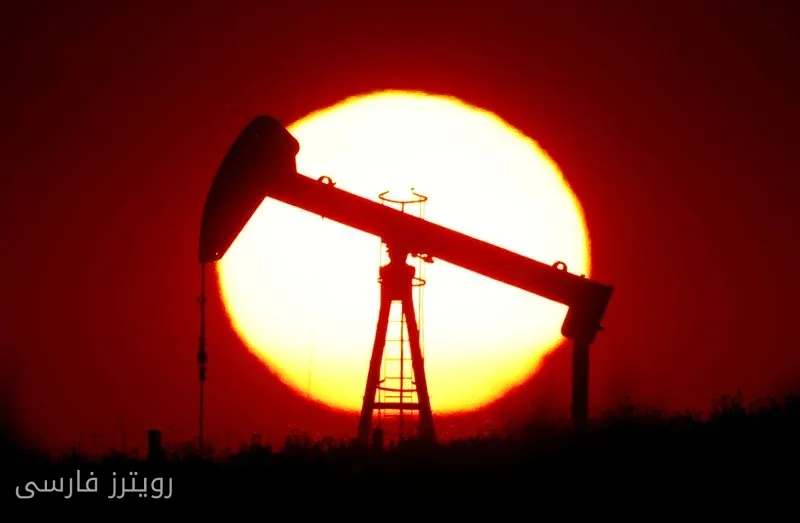
In recent weeks, the oil market has experienced severe price fluctuations. The rise in tensions and conflicts in the Middle East, especially in key oil-producing regions, has led analysts and investors to be deeply concerned about the future of prices.
Concerns Over Supply Disruptions
The emergence of military and political conflicts in oil-producing countries, particularly in the Middle East, could lead to serious disruptions in the oil supply chain. In this context, Brent crude oil prices reached their highest level in several months, and this trend is likely to continue. This price increase could have profound effects on oil-dependent economies, including both producing and consuming countries.
Analysts believe that any escalation of tensions could lead to rising prices in the global market. While some countries are seeking to reduce their dependence on Middle Eastern oil, the reality is that a significant portion of the world's energy needs still relies on this region.
Global Economic Consequences
In addition to the direct impacts on oil prices, this situation could also lead to higher fuel and commodity prices. As a result, consumers around the world must be prepared to face higher costs. Meanwhile, governments and economic policymakers must take necessary measures to maintain economic stability and control inflation.
In summary, the rise in oil prices in the current situation fuels concerns about the economic future more than ever. With ongoing tensions in the Middle East, we must wait and see whether these price fluctuations will turn into a real crisis in the energy market or not.