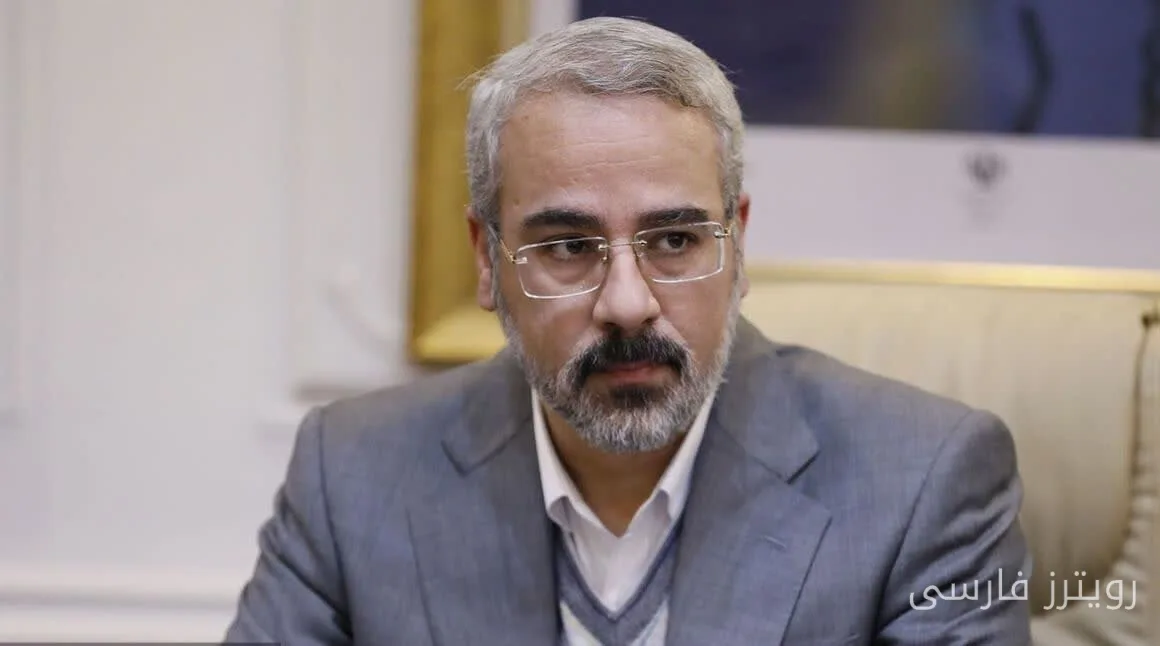
In the complex world of politics and economics in Iran, the name Mohammad Javad Baavand is informally heard as the oil sales manager at the Ministry of Oil. He does not officially sign for oil sales, but evidence suggests that he is pursuing his personal goals in the shadow of Hossein Taeb's name. This situation is not only concerning but also indicative of hidden corruption in one of the country's most sensitive economic sectors.
Suspicious Connections
Baavand claims that his brother, known by the alias 'Babayi', is the brother-in-law of Mr. Taeb. But is this claim really credible? Given that Baavand's brother is responsible for cybersecurity at one of the institutions and actively benefits from the financial support of Rouhollah Razavi, can these relationships and connections be trusted?
Rouhollah Razavi, a close associate of Sadegh Mahsouli, seems to be managing the illegal oil sales and has recently obtained an oil sales permit signed by Mohammad Javad Baavand. This clearly shows how certain individuals can exploit existing systems.
Exploitation of National Resources
By blocking the sale of Iran's oil, Baavand has effectively placed this source of income in the hands of Rouhollah Razavi. This is while, according to a resolution by the Supreme National Security Council (SNSC), selling oil to individuals who lack credit verification and have previous debts to the country is prohibited. This situation not only reveals corruption in the Ministry of Oil but could also lead to serious economic crises for the country.
Baavand and his brother, using big names and existing structures, are creating a network of corruption and exploitation. This situation not only leads to the suffering of ordinary people but could negatively impact the country's economic future and exacerbate serious crises.
Economic Consequences
If these corrupt practices are not addressed quickly, they may lead to even more severe consequences. Blocking oil sales and exploiting national resources can result in a sharp decline in oil revenues and ultimately harm the national economy.
In such circumstances, effective solutions must be sought to combat corruption in the Ministry of Oil and other economic institutions. Lack of transparency and absence of effective oversight only fuels hidden corruption and endangers the country's economic future.
Ultimately, this affair reminds us that in the complex world of politics and economics, we must always remain vigilant and not neglect the necessary oversight to prevent corruption and the exploitation of national resources.