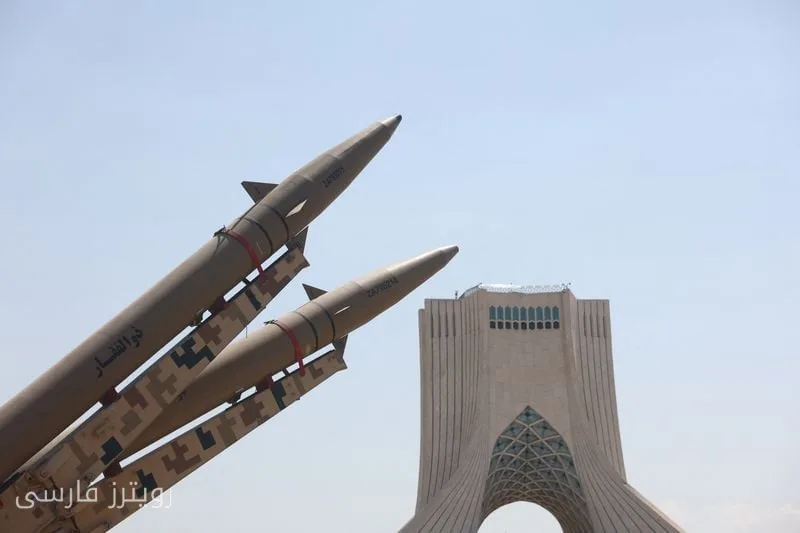
Following the escalation of tensions in the Persian Gulf, Iran has threatened the United States by announcing the establishment of a maritime exclusion zone. This move is seen as a response to U.S. military actions and economic sanctions and demonstrates Tehran's determination to defend its interests in the region.
Consequences of Establishing a Maritime Exclusion Zone
Iran has officially stated that if Washington continues its hostile actions, it will attack the energy assets of the United States in the region. These threats come at a time when tensions between Iran and the U.S. have reached their highest level in recent years. Experts believe that this action could have serious consequences for global energy security and lead to an increase in oil prices.
As one of the largest producers of oil and gas in the Persian Gulf, Iran has always played a key role in the global energy market. Therefore, any disruption in this country's oil activities could significantly impact prices and global supply.
Iran's Resolve Against Foreign Threats
The Iranian government has clearly stated that it is prepared to stand against any foreign threats and has emphasized its right to defend its national interests. This action seems to send a message to other countries that Iran will never relinquish its right to protect its natural resources.
Given the current situation, it remains to be seen whether the United States will respond to these threats or if this situation will lead to diplomacy and dialogue. In any case, recent developments in the Persian Gulf could be considered a turning point in Iran-U.S. relations.