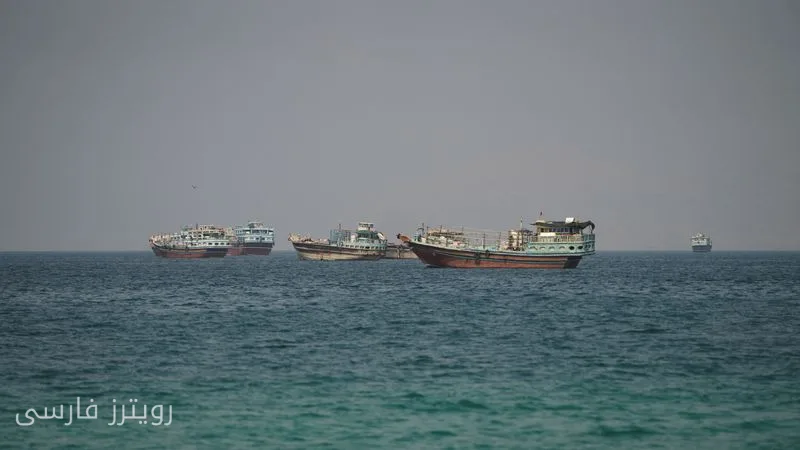
The disruptions in the Strait of Hormuz, recognized as one of the most important maritime passages in the world, have now become a serious challenge for small businesses. These disruptions not only affect international trade but have also posed serious financial challenges to startups and small enterprises.
Economic Consequences for Small Businesses
In recent years, the Strait of Hormuz has witnessed numerous political and military tensions due to its strategic location. These disruptions have severely impacted supply chains and the pricing of goods, and small businesses, which typically have less financial capability, have suffered more than others. In fact, these disruptions mean increased costs and reduced access to raw materials for these businesses.
Global trade is heavily dependent on the Strait of Hormuz, and any disruption in this region can disrupt supply chains. Small businesses that rely on these chains are facing serious crises due to price fluctuations and uncertainty in the supply of goods. This issue not only affects their revenue but may also lead to unwanted closures.
The Future of Small Businesses in the Shadow of the Crisis
International organizations have warned about the consequences of this crisis and emphasize the need for urgent measures to support small businesses. As these businesses are recognized as engines of economic growth, neglecting their situation could have broader repercussions for the global economy.
Given the current situation, it is essential for policymakers and responsible entities at the global level to seek effective solutions to mitigate the negative impacts of these disruptions on small businesses. Otherwise, we may witness the emergence of more serious crises in the near future.