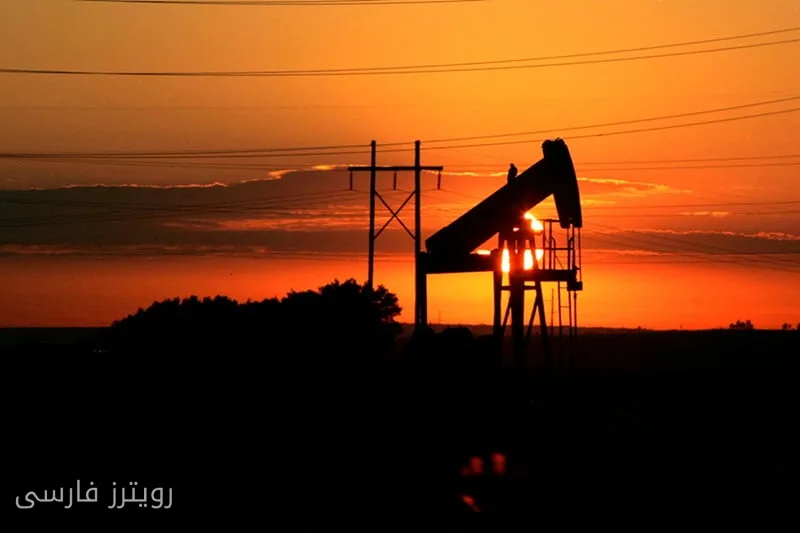
As political and economic tensions in the Middle East have reached their peak, forecasts indicate an increase in oil prices. The reduction in supply in this sensitive region has prompted analysts to take a fresh look at the global oil market and update their estimates.
Supply Crisis; The Beginning of a New Era in the Oil Market
Governments and oil companies in the Middle East are grappling with multiple challenges. On one hand, political unrest and military conflicts have affected oil production and exports, and on the other hand, sanctions and restrictions have intensified this crisis. Meanwhile, the reduction in oil production in producing countries has heightened concerns about rising prices.
Analysts have concluded that this crisis could quickly impact global oil prices. While some predict that oil prices will soon reach their highest levels in recent years, others are cautious about the sustainability of this increase. "The oil market is heavily dependent on political stability in the Middle East, and any instability could have severe consequences," it is said.
Economic Consequences; From Inflation to Recession
The increase in oil prices directly affects the costs for consumers and businesses. Energy costs are recognized as one of the key factors in determining inflation rates, meaning that households and businesses must prepare to face rising expenses. Analysts are already warning governments that they need to plan to mitigate the negative impacts of these rising prices on their economies.
Ultimately, these developments in the oil market will not only affect producing countries but will also impact the global economy. As the world moves towards economic recovery after the pandemic, rising oil prices could pose a significant obstacle on this path.