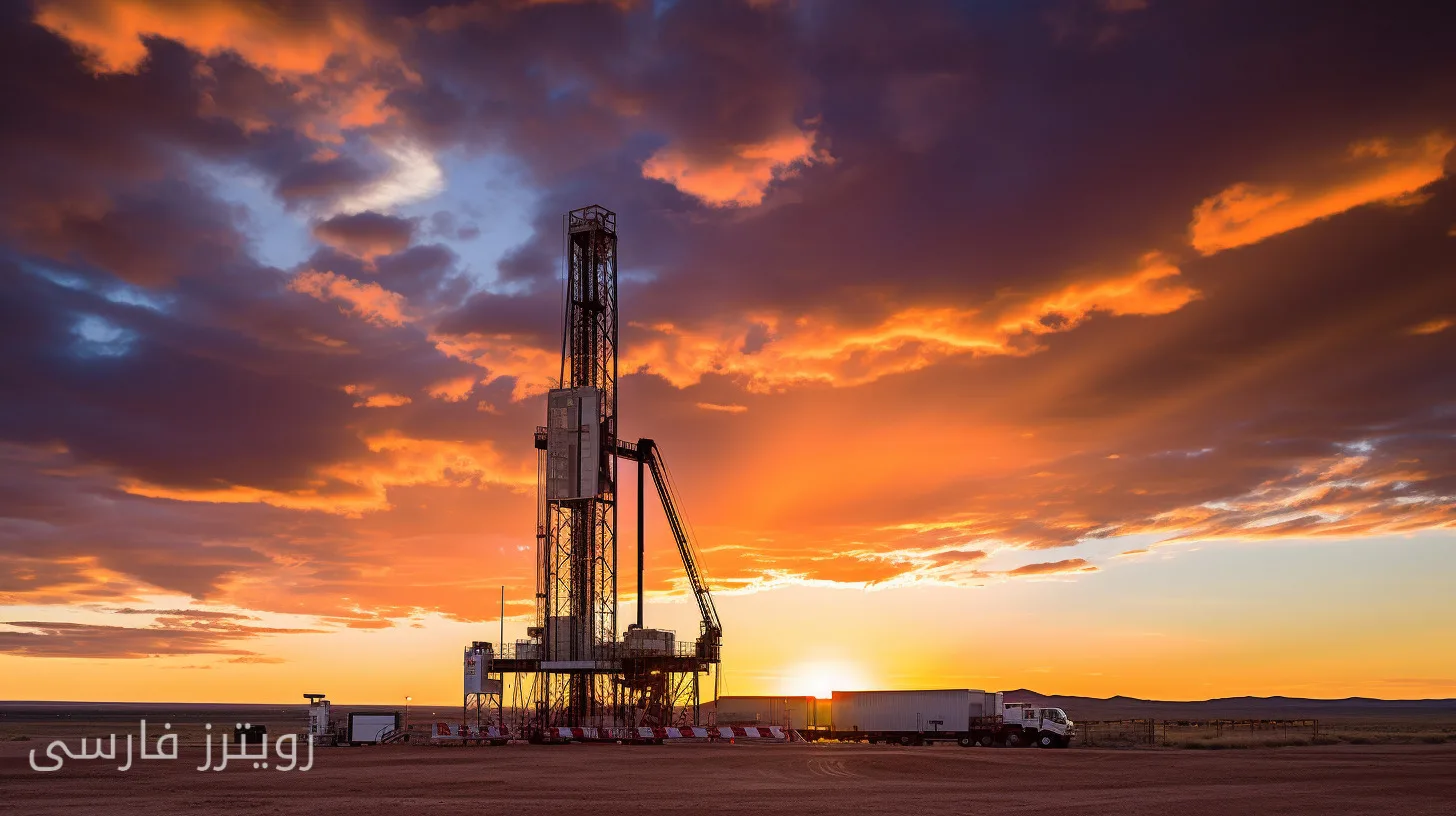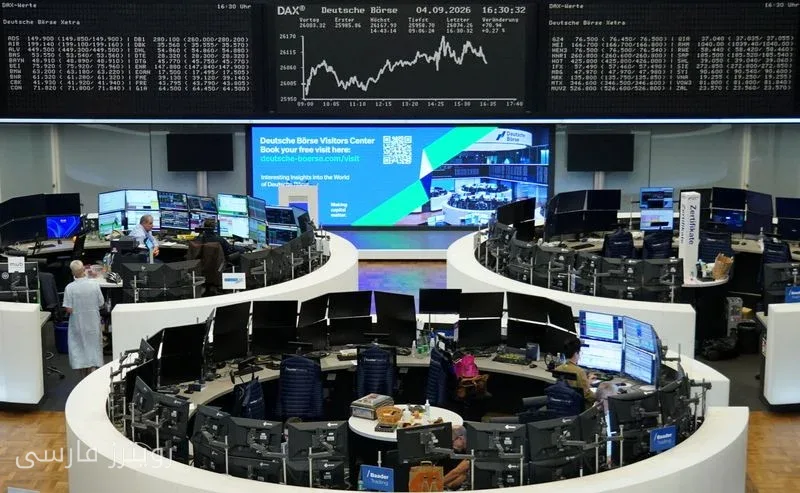
European stock markets faced a significant decline today as oil prices approach $۱۰۰, and increasing tensions in the Middle East have raised concerns about unprecedented inflation. This situation has led to increased pressure on investors and economic analysts, prompting them to revise their forecasts.
Impact of Oil Prices on the Market
With rising oil prices, many energy-dependent industries and consumer goods have also been affected. The increase in energy prices clearly impacts production costs and the final prices of products, which in turn can negatively affect consumers' purchasing power. Meanwhile, central banks must also consider raising interest rates to combat inflationary pressures.
Middle East Tensions and Their Consequences
The ongoing tensions in the Middle East, especially in oil-producing countries, have significantly impacted global markets. Any unrest or disruption in oil production could lead to price increases and consequently exacerbate economic crises. This situation could soon become a serious challenge for the global economy.
Analysts predict that if the situation continues as it is, financial markets may face greater volatility. While some investors are looking for buying opportunities in these conditions, others are acting more cautiously and favoring increased liquidity. This uncertainty in the markets could lead to increased volatility and investment risks.
Ultimately, the current state of the markets indicates that investors need to closely monitor the global situation and revise their strategies in light of new developments. In the current conditions, vigilance and awareness of global developments are essential.